Booking choice: The Port Douglas day tour, 9 hours from Port Douglas. Book this Tour details
Far North Queensland has two seasons that matter. From about May to September it is drier and milder. From about December to April it is hot, humid and very wet, with storms, floods and the occasional cyclone.
The forest is worth seeing in both. The trade-off is comfort and reliability: roads, cruises and ferries all run more smoothly in the dry.
The quick answer
May to September is the best time to visit the Daintree: drier, around 26°C by day and less humid, and crocs are easier to see on river cruises. The wet season, December to April, brings heavy rain, road and ferry interruptions and some closures. Marine stingers are a risk from November to May and present all year.
When is the best time to visit the Daintree?
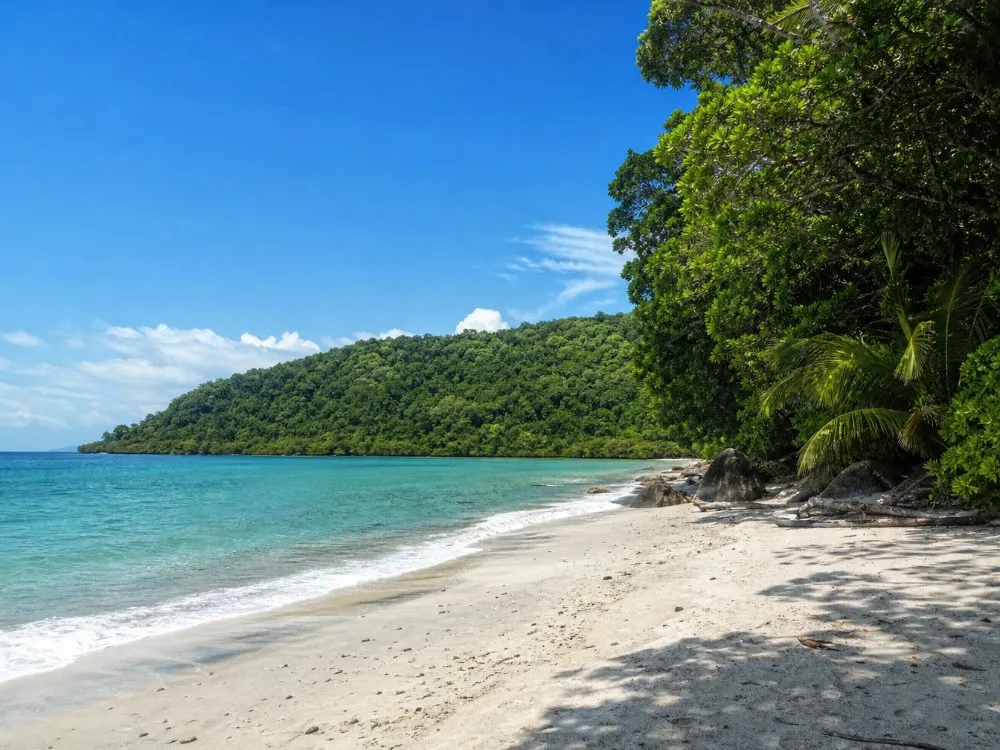
From May to September, the dry season. Queensland Parks and Wildlife names it as the best time, with maximums around 26°C and lower humidity.
Dry is relative. This is still rainforest and showers happen in any month. But the dry season gives you cooler nights, clearer roads, crocs on the river banks and walks that do not leave you soaked in sweat. It is also the busiest time, so book small-group tours ahead.
October and November are warmer and still mostly dry, but the higher-risk stinger period starts in November.
What is the best month to visit the Daintree?
July and August are the driest and coolest. If you prefer warmer days, try May or September.
The nearest long-term official weather station is at Cairns Airport. These are its averages from the Bureau of Meteorology. The Daintree is wetter than Cairns, so read them as a minimum.
| Month | What the averages show |
|---|---|
| January | 31.5°C max, 23.8°C min, in the wet season |
| March | 424 mm of rain, the wettest month |
| July | 25.9°C max, 17.2°C min, the coolest |
| August | 27 mm of rain, the driest month |
Over the year Cairns Airport averages about 2,000 mm of rain. The parks service says some areas of the Daintree get more than 6 m a year.
Is it worth visiting the Daintree in the wet season?
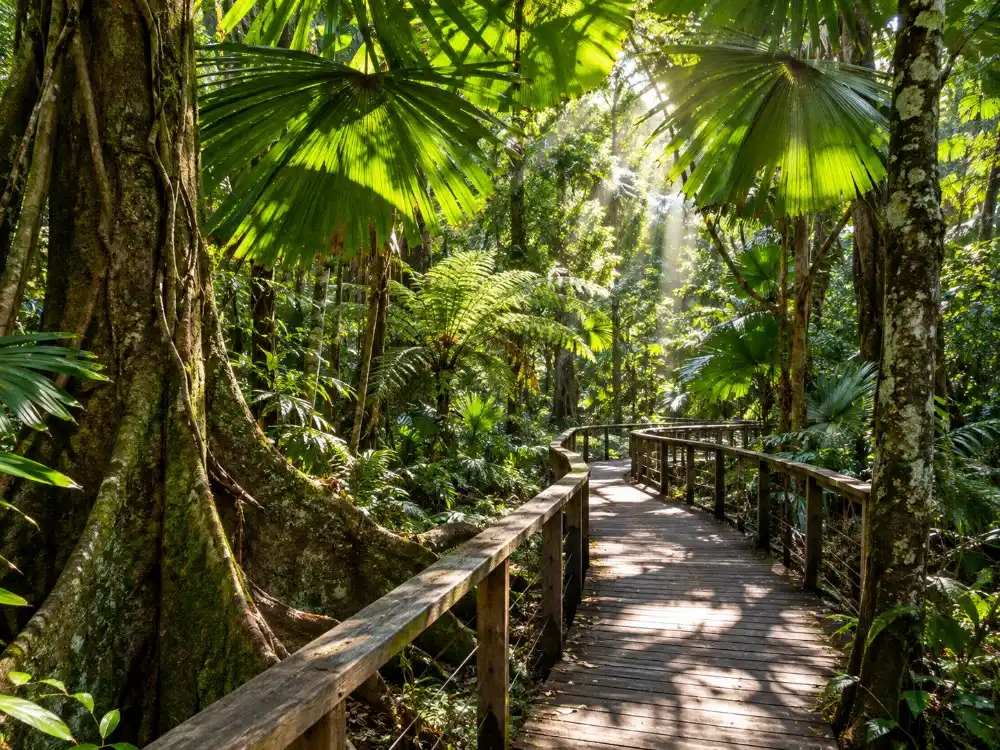
Yes, if you are flexible. The forest is at its greenest and the waterfalls are full, but rain can close roads, delay the ferry and cancel cruises.
The wet season runs from about December to April. Cape Tribulation Road closes when tides top 2.5 m or during floods. Cyclone Jasper in December 2023 caused more than 100 landslips, and the Noah Range section of the road stayed shut until late March 2024. Smaller closures are routine: Bruce Belcher's croc cruises close for February, Noah Beach campground closes from early January to Good Friday, and 4WD tracks like the CREB close for the season.
If you visit in the wet, keep a spare day and book tours with free cancellation. A Port Douglas tour keeps the road time short when the weather turns. Season-specific updates are in our 2026-27 wet season post.
A shorter day with less road time from Port Douglas, with an umbrella and insect repellent supplied.
Book thisWhen is stinger season in the Daintree?
From November to May is the higher-risk period for marine stingers, but they are present all year.
The Queensland Government advice is to swim inside stinger nets where they exist, consider a full-length lycra suit, and if someone is stung, pour vinegar on the sting and call 000. North of the Daintree River the beaches are unpatrolled and there are crocodiles, so the beaches are for walking, not swimming.
If you want to get in the sea, the Ocean Safari takes you from Cape Tribulation beach to the reef with sunsuits or wetsuits included.
When can you see cassowaries in the Daintree?
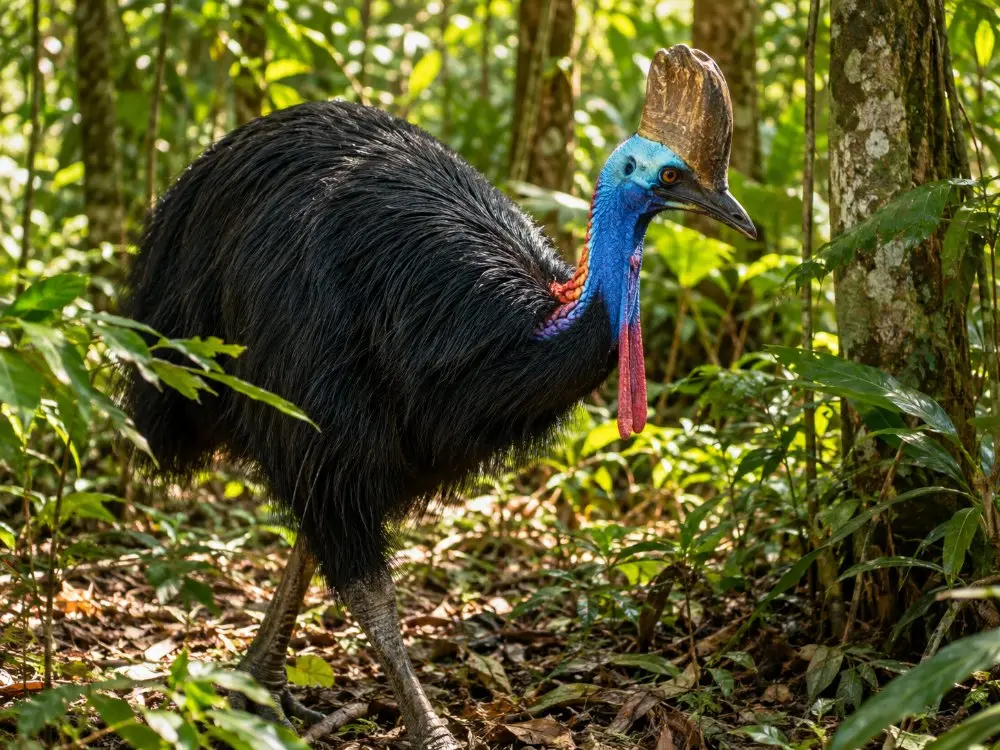
There is no set season. Cassowaries live there all year and are most often seen by roads and forest edges north of the river.
The southern cassowary is endangered, with about 4,400 adults across the Wet Tropics. They grow up to 2 m tall and spread the seeds of more than 70 tree species. If you see one, enjoy it from a distance: they can cause serious injury. Feeding them is illegal, and vehicle strikes are the main cause of adult deaths, so slow down wherever you see the signs.
A guide on the night walk sometimes finds them asleep. The listing names sleeping cassowaries among the possible sightings, alongside tree frogs, owls and glowing fungi.
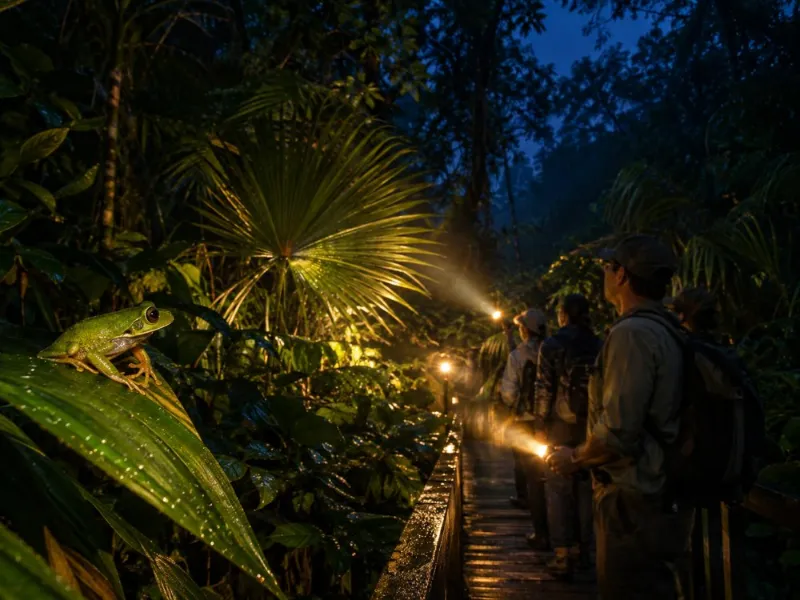
The rainforest after dark at Cape Tribulation, with a naturalist and a torch of your own.
Book this Tour detailsIs it safe to walk in the Daintree?
Yes, on the boardwalks and marked tracks, if you follow the rules about cassowaries, crocodiles and the long trails.
The short boardwalks at Jindalba, Madja, Dubuji and Kulki are flat and easy. The rules come from the parks service: stay well clear of cassowaries, keep out of creeks and the sea, walk the long Grade 4 trails like Mount Sorrow only in daylight and never alone, and carry plenty of water on them. Mobile reception is limited, so tell someone your plans.
At Mossman Gorge, stay out of the water. Queensland Parks and Wildlife says people have died there, and the water can rise fast without warning.
Are there leeches and stinging trees in the Daintree?
Yes. Leeches turn up on remote trails, mostly in wet weather. The stinging tree grows at forest edges and should never be touched.
Leeches are a nuisance, not a danger. Long pants, closed shoes and repellent keep most of them off. The stinging tree, or gympie-gympie, is more serious. It grows up to 4 m tall with heart-shaped, serrated leaves, and the pain from its hairs can last for days or even months. If you brush one, remove the hairs with sticking plaster or warm wax and call Poisons Information on 13 11 26. The simple rule: stay on the boardwalk and don't touch the plants.
What should you wear in the Daintree?
Light, quick-drying clothes, closed shoes with grip, a hat, repellent and a rain jacket in any month.
On remote walks the parks service adds long sleeves, long pants and 3 to 4 litres of water per person. For a day tour, this list covers both seasons.
| Bring | Dry season | Wet season |
|---|---|---|
| Clothes | Light layers, a warm top for the evening | Quick-dry shirt, spare dry set |
| Shoes | Closed shoes with grip | Closed shoes you don't mind soaking |
| Rain | Light jacket | Rain jacket or poncho |
| Sun | Hat and sunscreen | Hat and sunscreen between showers |
| Bugs | Insect repellent | Repellent, reapplied often |
| Swim | Swimwear and towel if the tour has a swim | The same |
Some tours lend kit: the Best of Daintree tour lists raincoats and umbrellas, and the Port Douglas tour lists insect repellent and an umbrella.
Raincoats, umbrellas and repellent supplied, a creek swim and ten guests at most.
Book thisFrequently asked questions
Is the Daintree too hot in January?
It is hot and humid, with average maximums around 31°C in nearby Cairns and very high humidity. Walks are sweaty but short, and mornings are the most comfortable time.
Does the Daintree River ferry run in the wet season?
Yes, from 5am to midnight daily, but it can pause for repairs or flooding. After Cyclone Jasper it ran shorter hours for weeks.
Is it easier to see crocodiles in winter?
Yes. In the cooler months crocs bask on the banks, and cruises see more of them. In summer they stay in the water.
Is there a cyclone season in the Daintree?
Cyclones are a wet-season risk, commonly given as November to April. Check the weather warnings if you travel then, and keep your plans flexible.
Ready to book
Choose your tour
Free cancellation up to 24 hours before on every option. Check the live listing for your date.
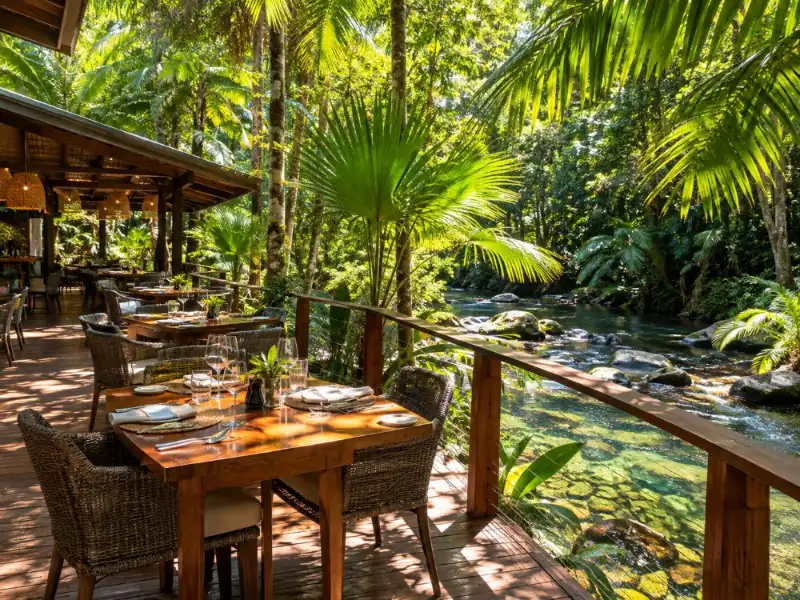
Daintree & Cape Tribulation from Port Douglas
- Port Douglas hotel pickup
- Mossman Gorge, ferry and guided walks
- One hour of croc and wildlife spotting
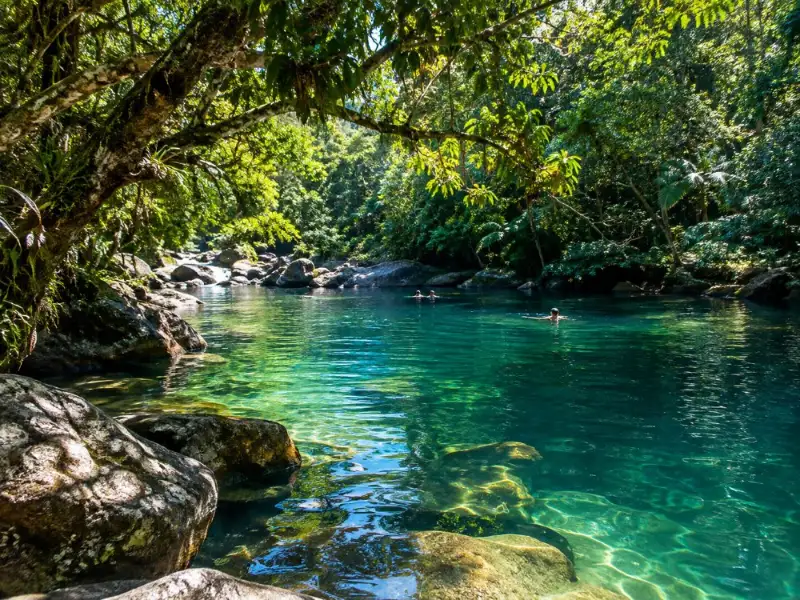
Best of Daintree Rainforest Day Tour
Ten guests, a creek swim and lunch at a rainforest lodge
Cape Tribulation Rainforest Night Walk
Torches, a naturalist and the forest after dark